VR Simulation
Marion Surgical VR Surgery
- 2016-2018
- Released
- Marion Surgical
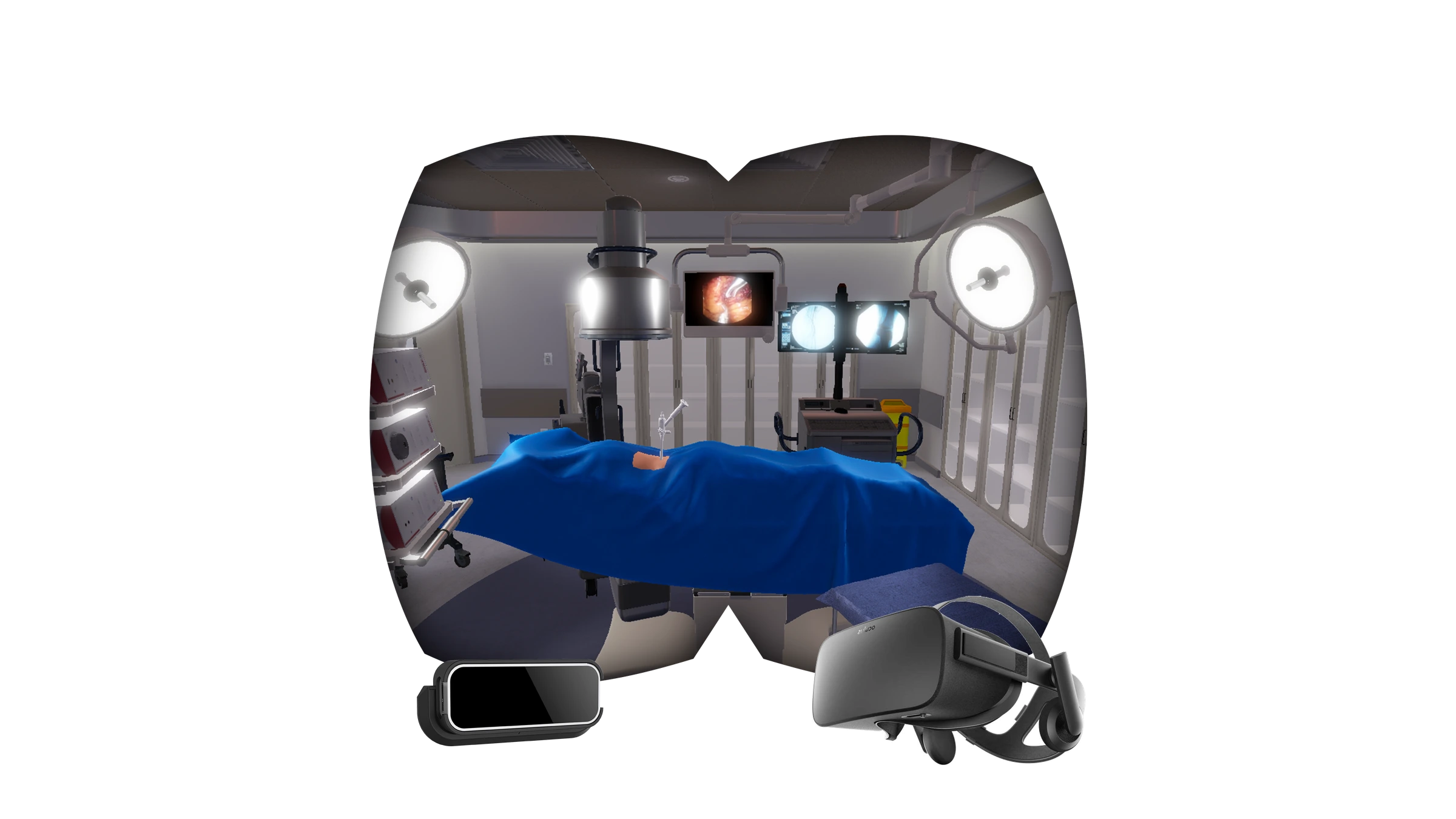
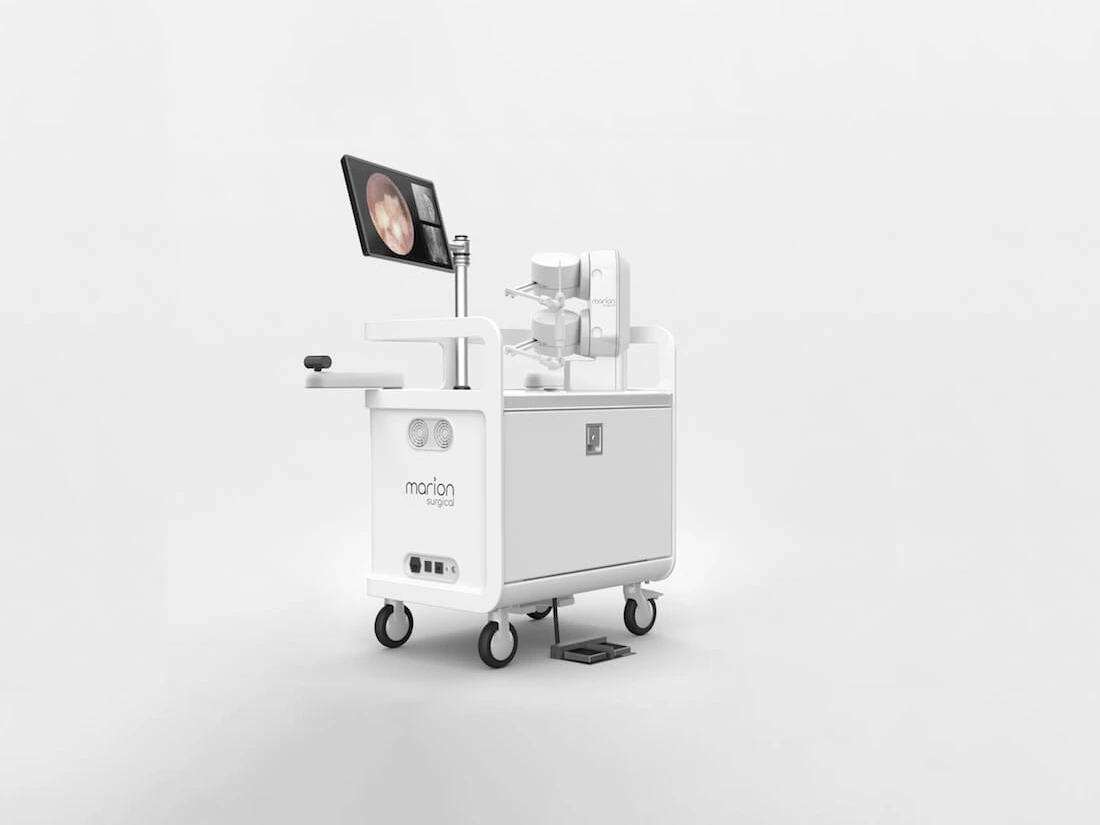
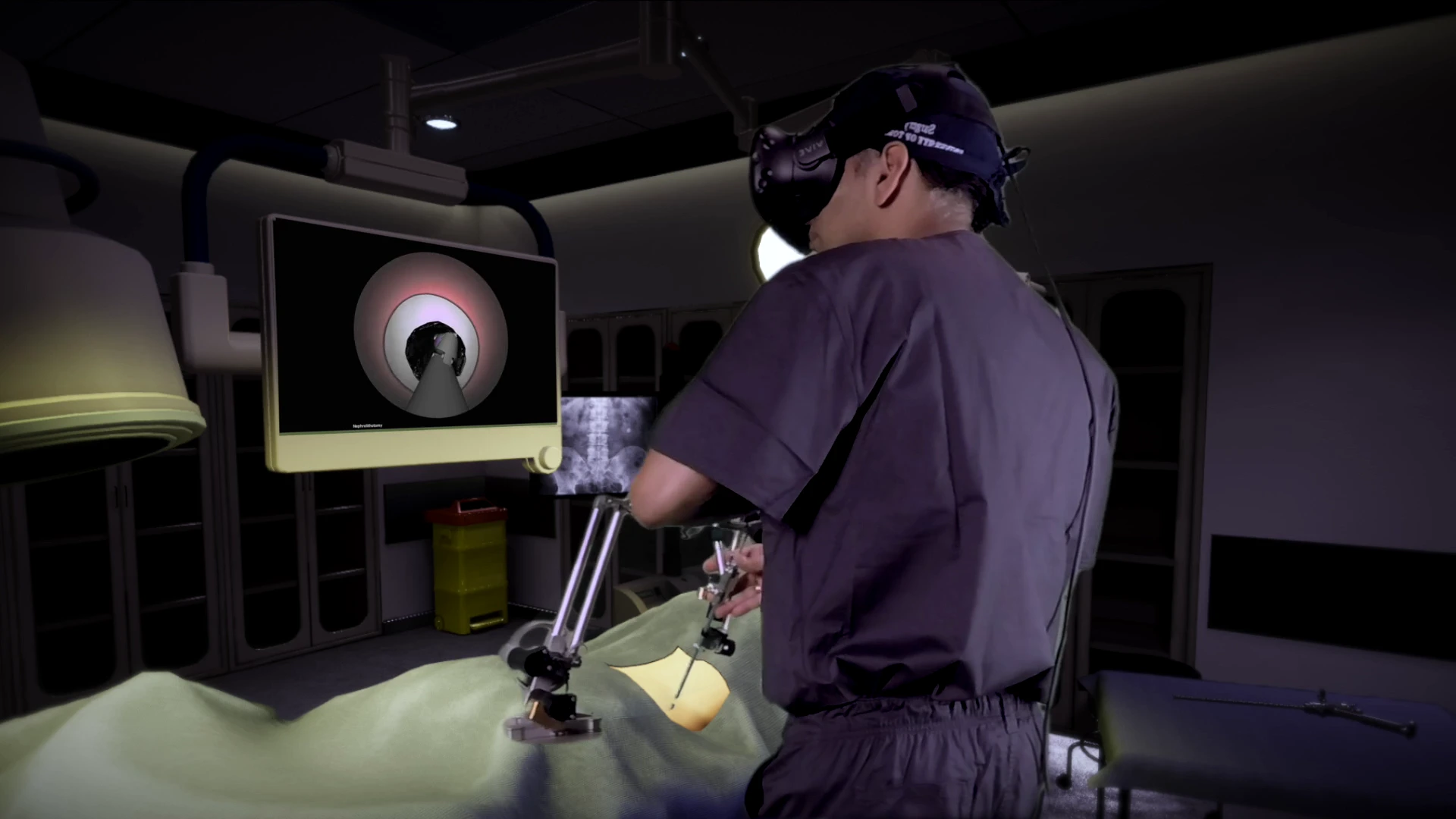
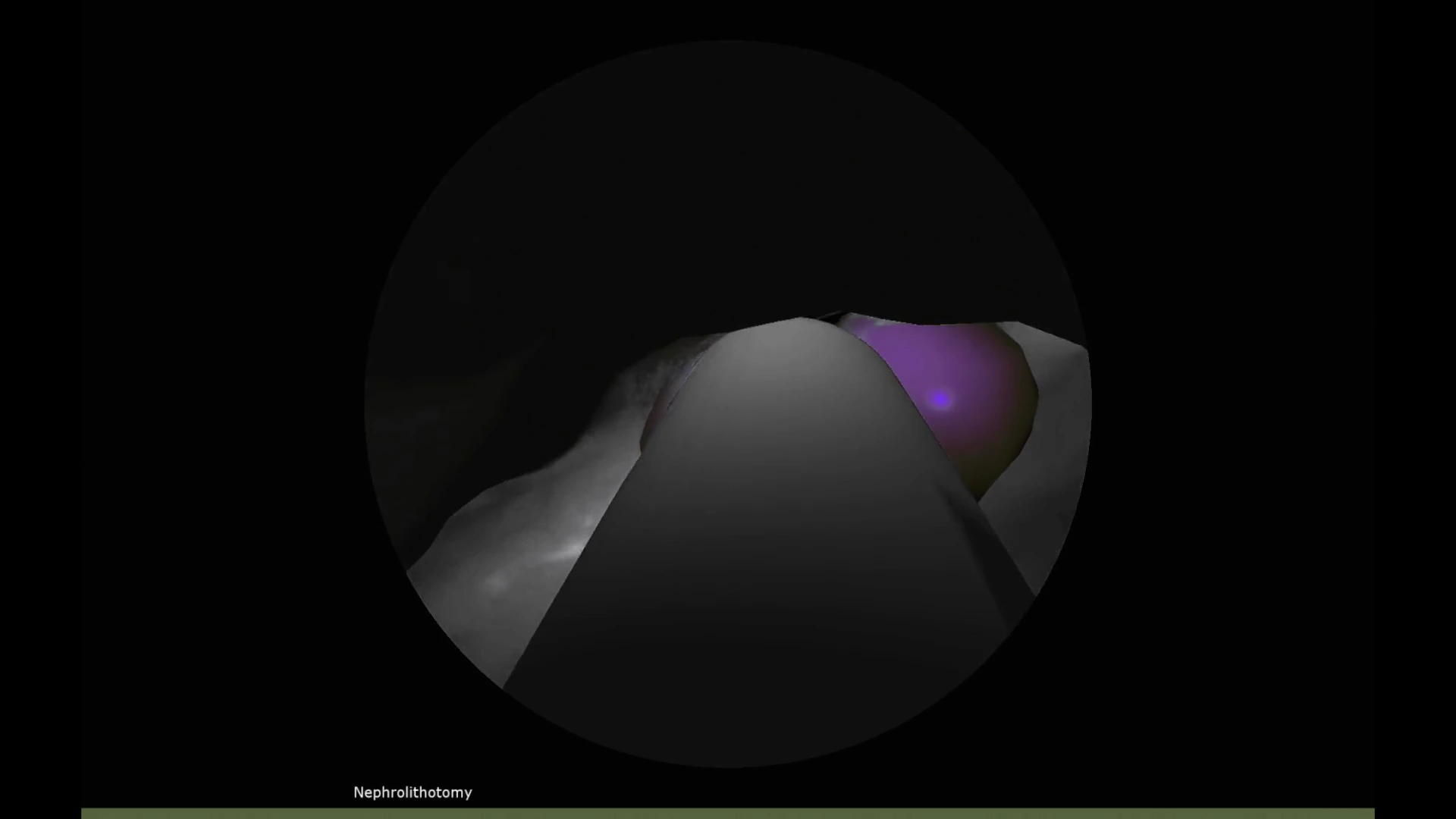
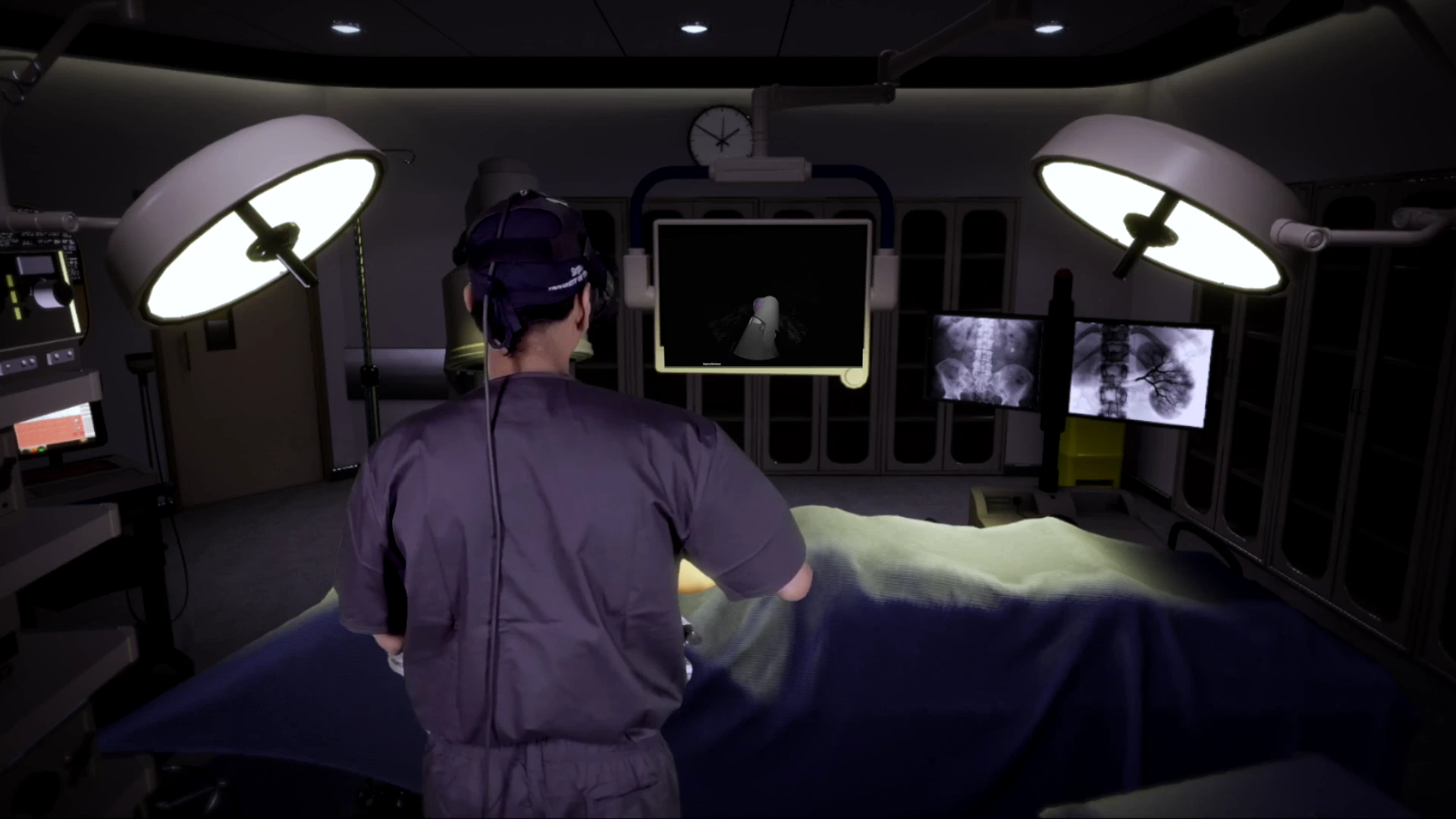
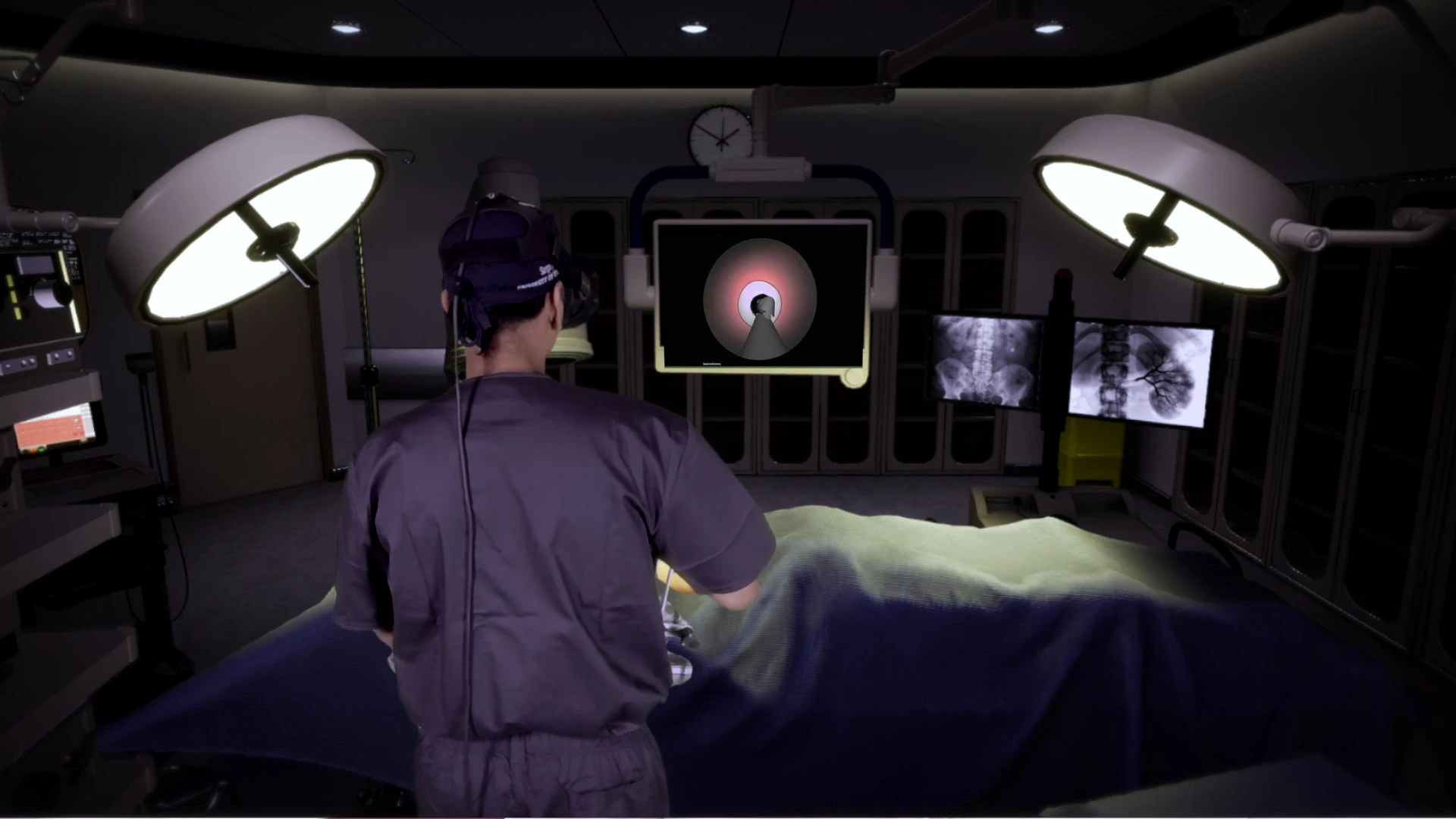
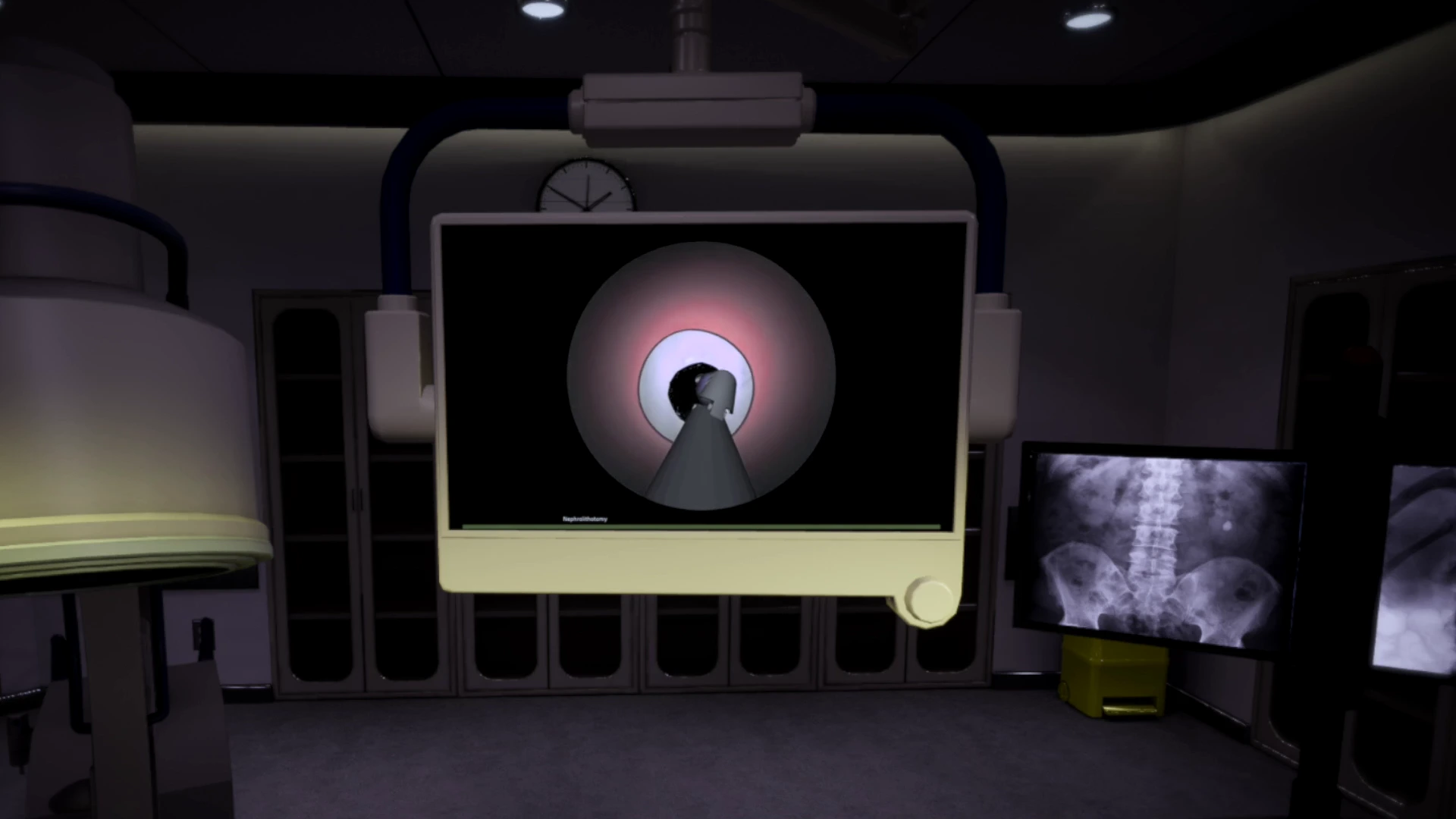
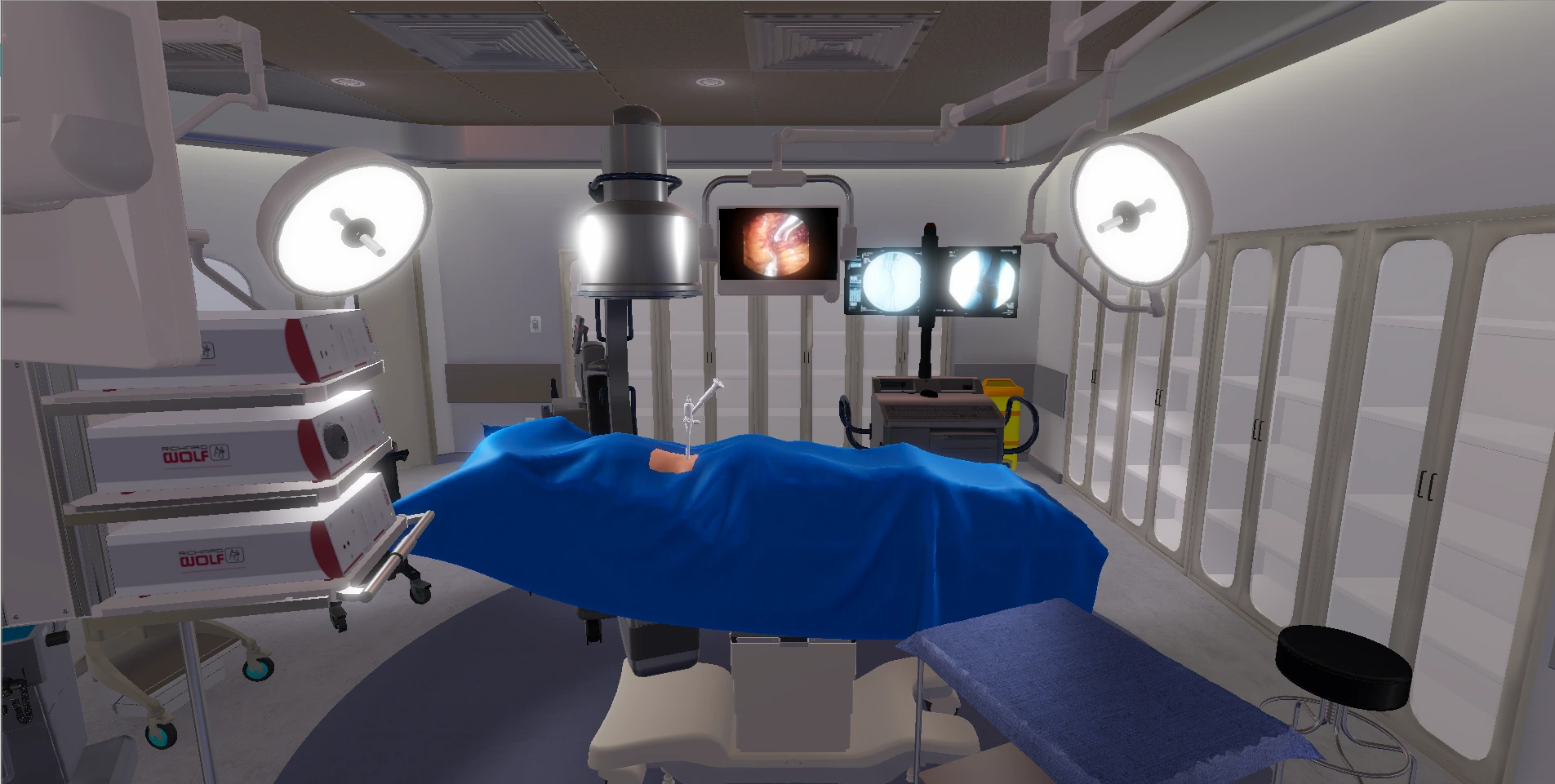
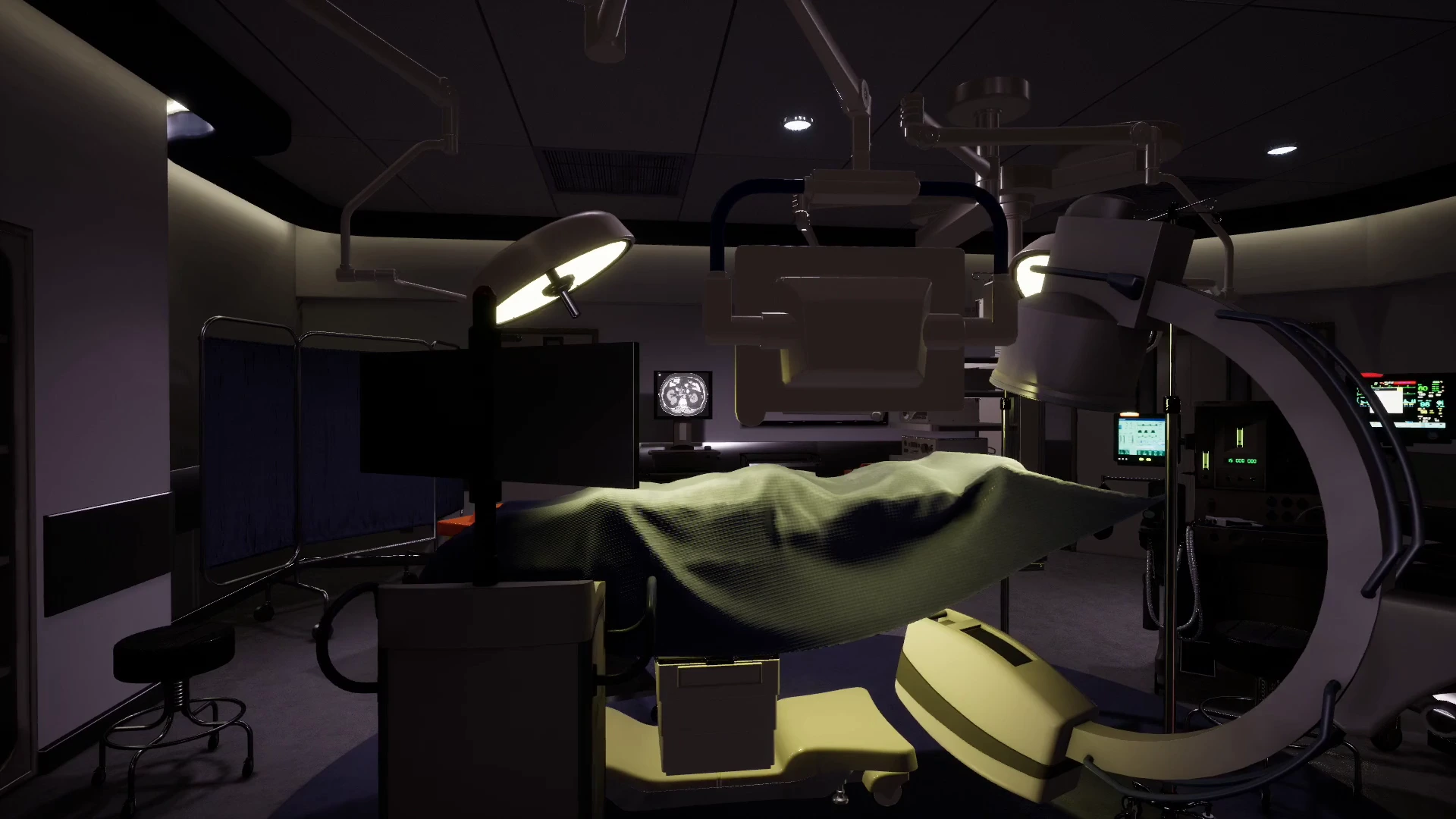
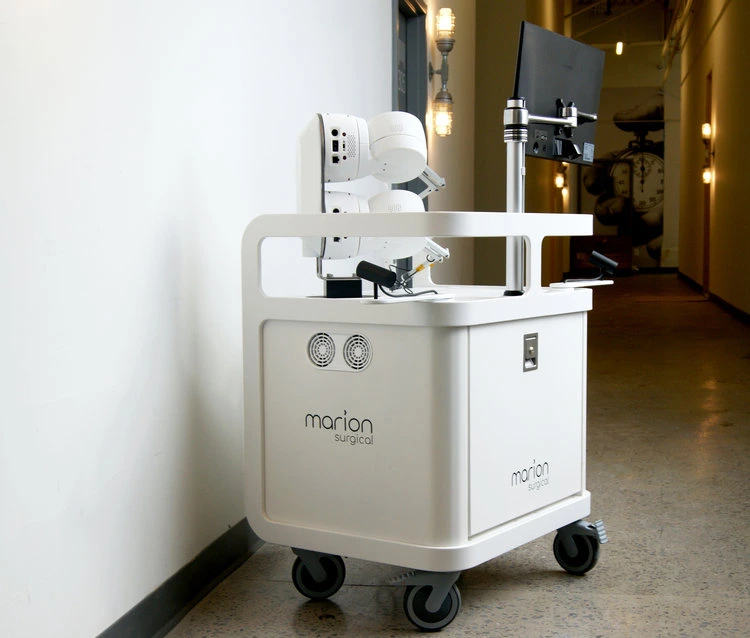
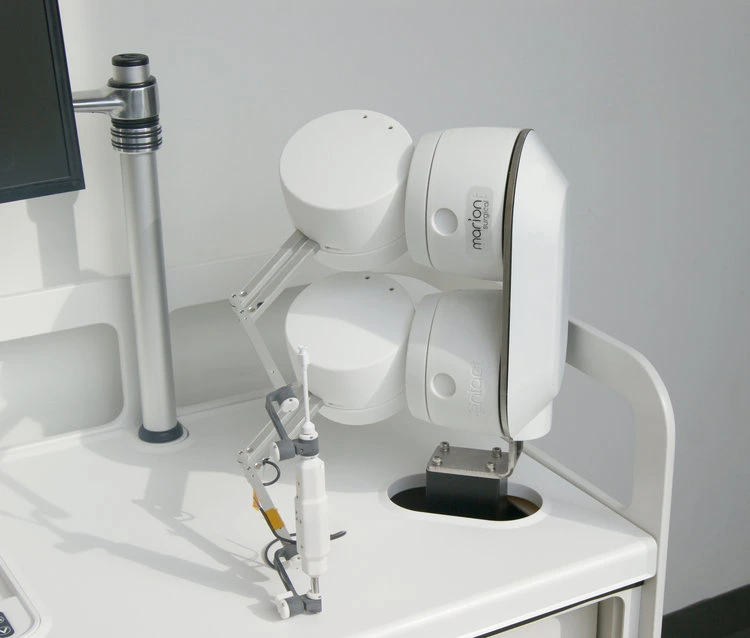
A fully immersive virtual reality surgical simulation platform for minimally invasive procedure training and rehearsal. Marion Surgical's public research on the K181 PCNL simulator describes a system that combines a VR operating room, real-time haptic feedback, and patient-specific anatomy generated from CT data, allowing surgeons to practice procedures and rehearse surgical approaches before entering the operating room.
- Contributed to a surgical simulation platform used for immersive training and rehearsal with haptic feedback
- Supported work on a platform publicly associated with the Marion K181 simulator line and later procedure-specific simulator development
- Contributed to a company whose simulator technology was reported as being available for sale in several countries
Challenge
Build a VR surgical simulator credible enough for surgeon training and pre-operative rehearsal: a faithful VR operating room, real-time haptic feedback, patient-specific anatomy reconstructed from CT data, and the supporting workflow tooling for scoring, evaluation and case management. Credibility had to start with the domain itself, which meant understanding how kidney-stone removal actually works in an operating room.
Solution
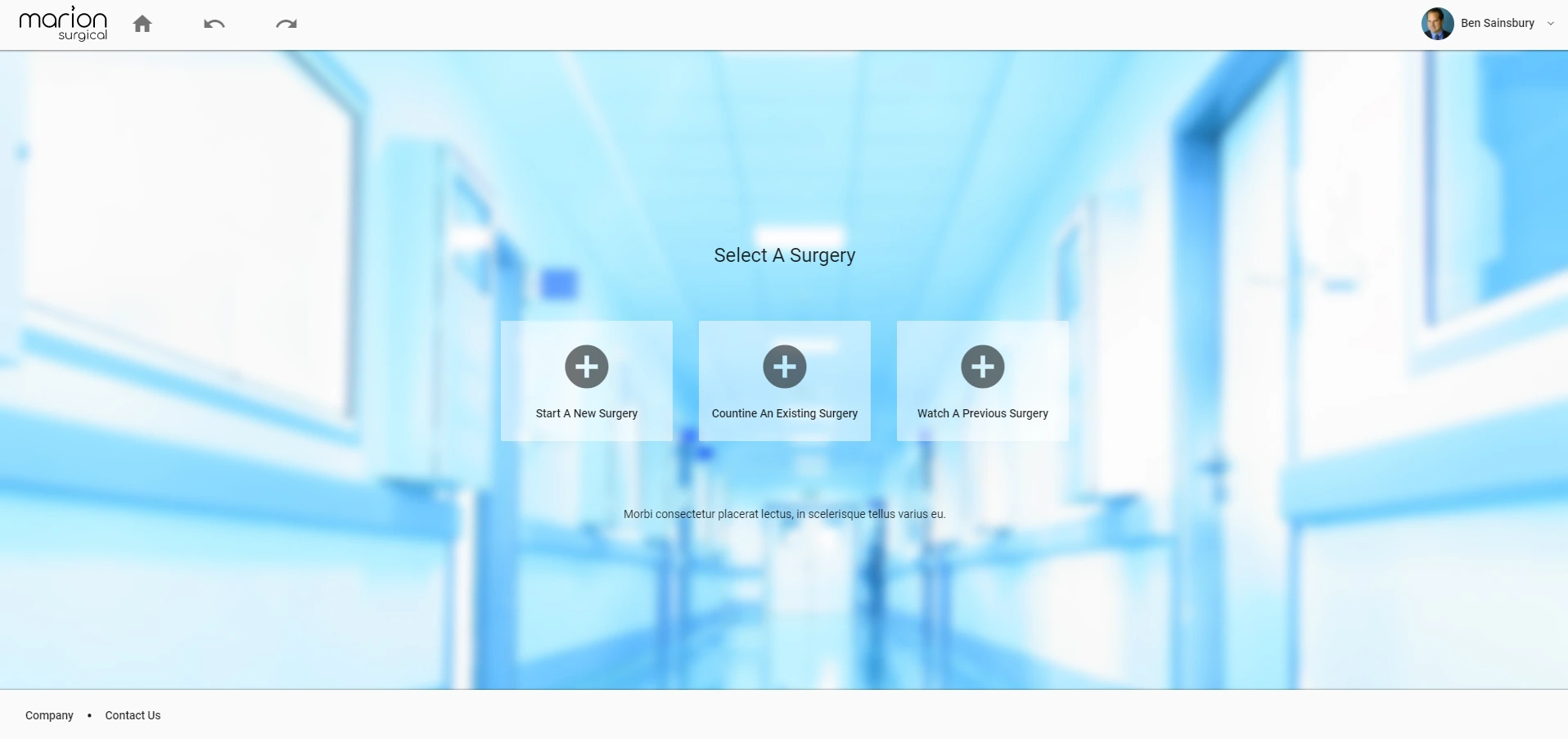
Worked directly with surgical experts and observed operating-room procedures to understand kidney-stone removal workflows, instruments and equipment, then translated that domain knowledge into design and technical specifications. Led UX for the simulation application and contributed to the core VR framework: the virtual operating room, medical equipment representation, haptics and patient-specific CT anatomy. Built interface systems and UI flows for simulation, scoring and evaluation, developed the supporting web and database components, integrated an external soft-tissue simulation, and helped implement a voice-driven virtual nurse using speech recognition and synthesized voice, years before LLM-style assistants. Managed the platform's transition from Unreal Engine to Unity and brought the work to prototype and MVP form.
Outcome
Contributed to a surgical simulation platform used for immersive training and rehearsal with haptic feedback, publicly associated with the Marion K181 PCNL simulator line and later procedure-specific simulator development. The company's simulator technology was reported as being available for sale in several countries.
Gallery
More
Recognition
Contributions
- Conducted domain research with surgical experts, including operating-room observation of kidney-stone removal procedures, instruments and equipment
- Translated specialized surgical workflows into UX designs and technical documentation
- Led UX for the simulation application: interface systems and UI flows for simulation, scoring and evaluation
- Contributed to the core VR framework: virtual operating room, medical equipment, haptics and patient-specific CT anatomy
- Developed the web interface and online database components, and integrated an external soft-tissue simulation
- Helped implement a voice-driven virtual nurse using speech recognition and synthesized voice
- Managed the Unreal Engine to Unity transition, managed two 3D artists and a UX researcher, and brought the platform to prototype and MVP form
Collaborators
- Marion Surgical executives
- 3D art team
- UX research