Free-Roam VR
Scarygirl VR: Mission Maybe
- 2017-2019
- Released
- Dark Slope Studios
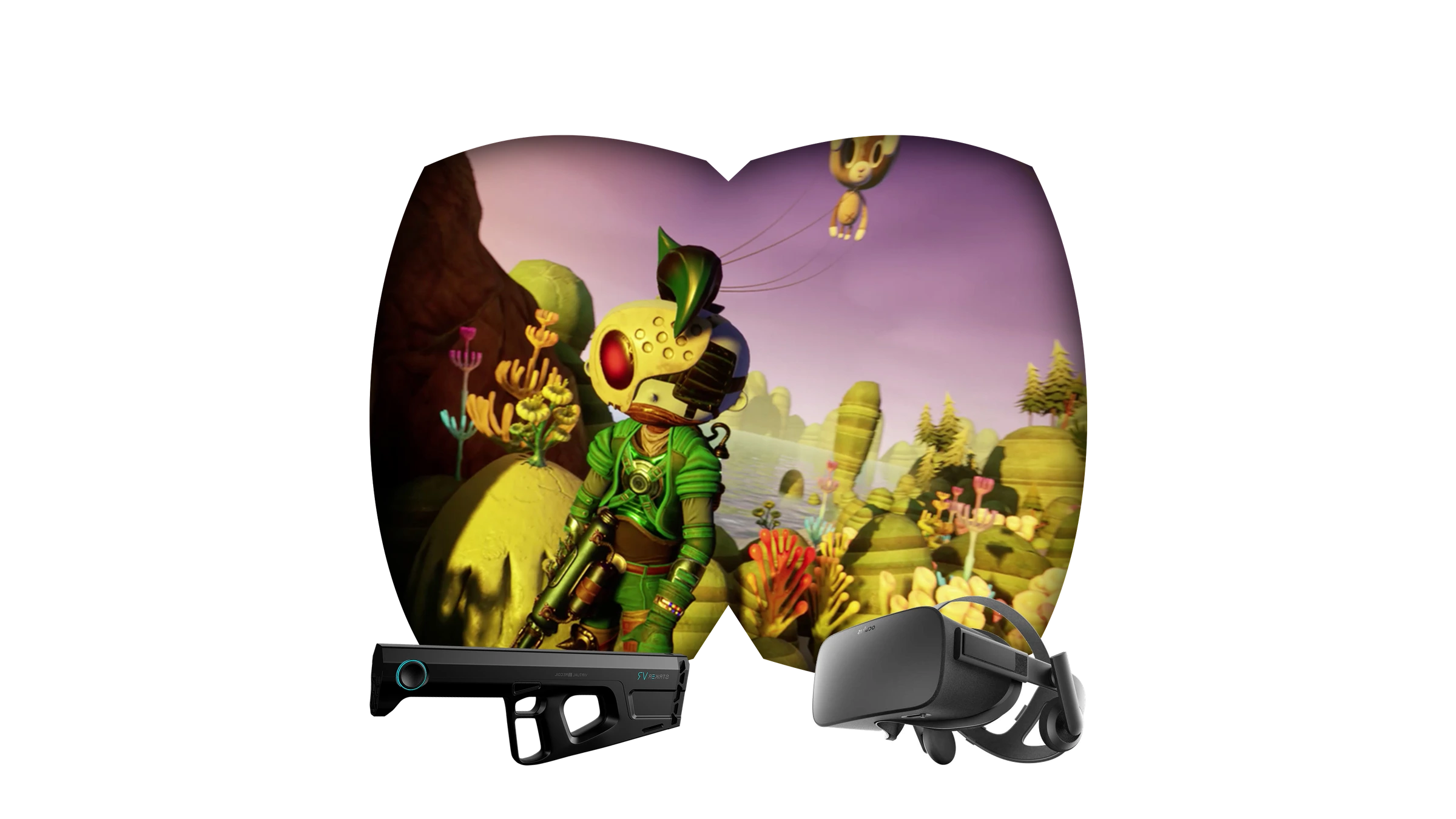
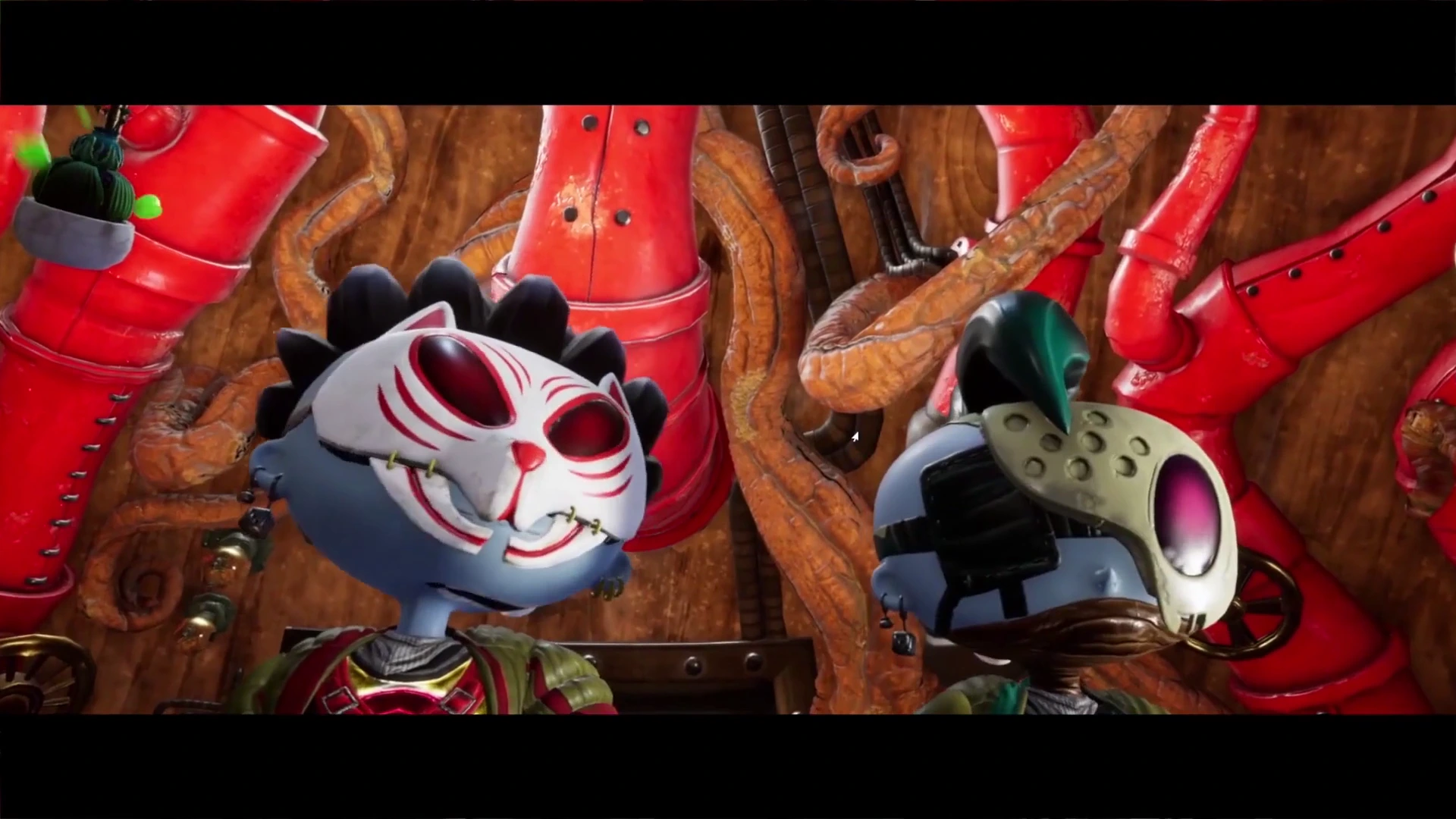
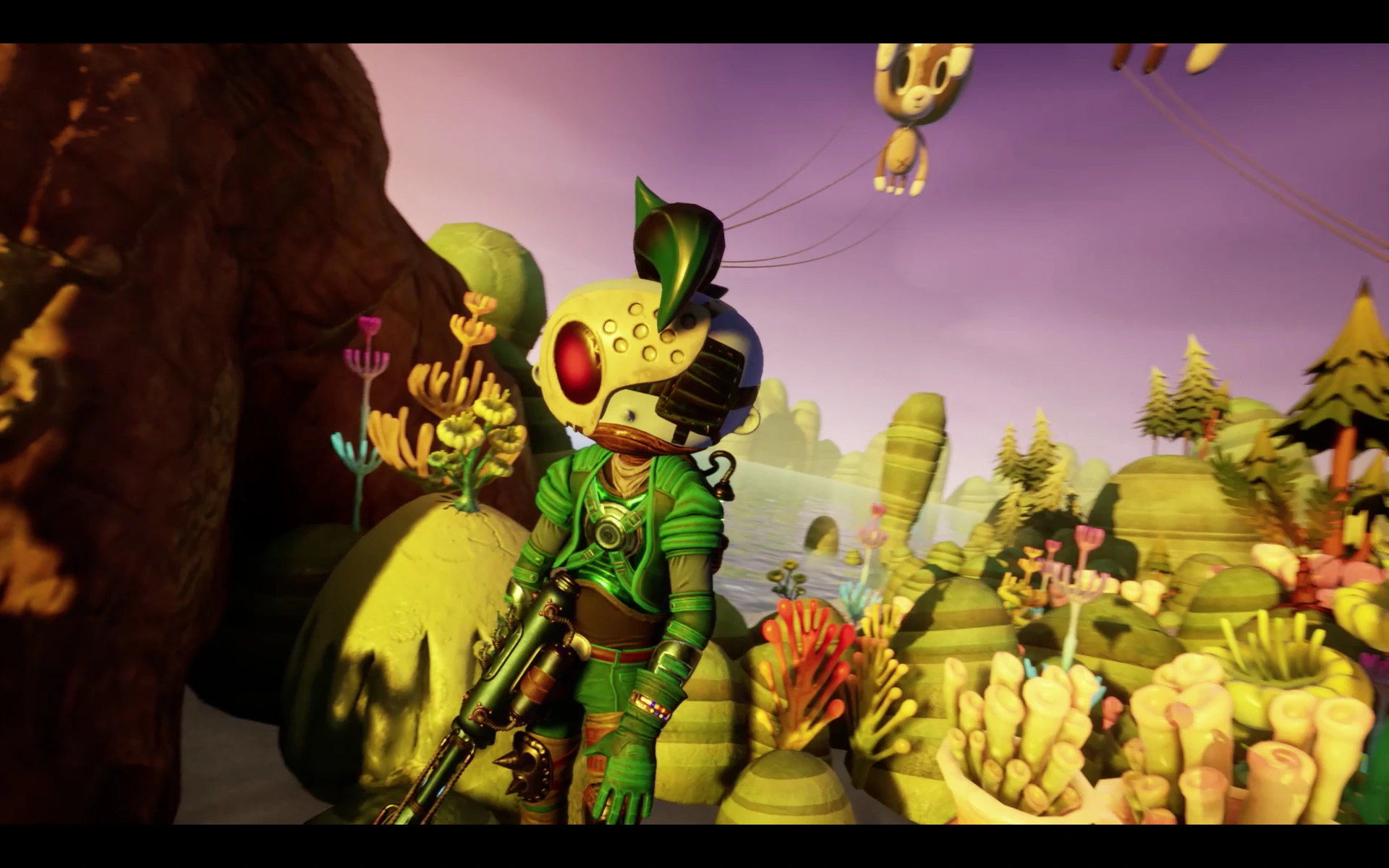
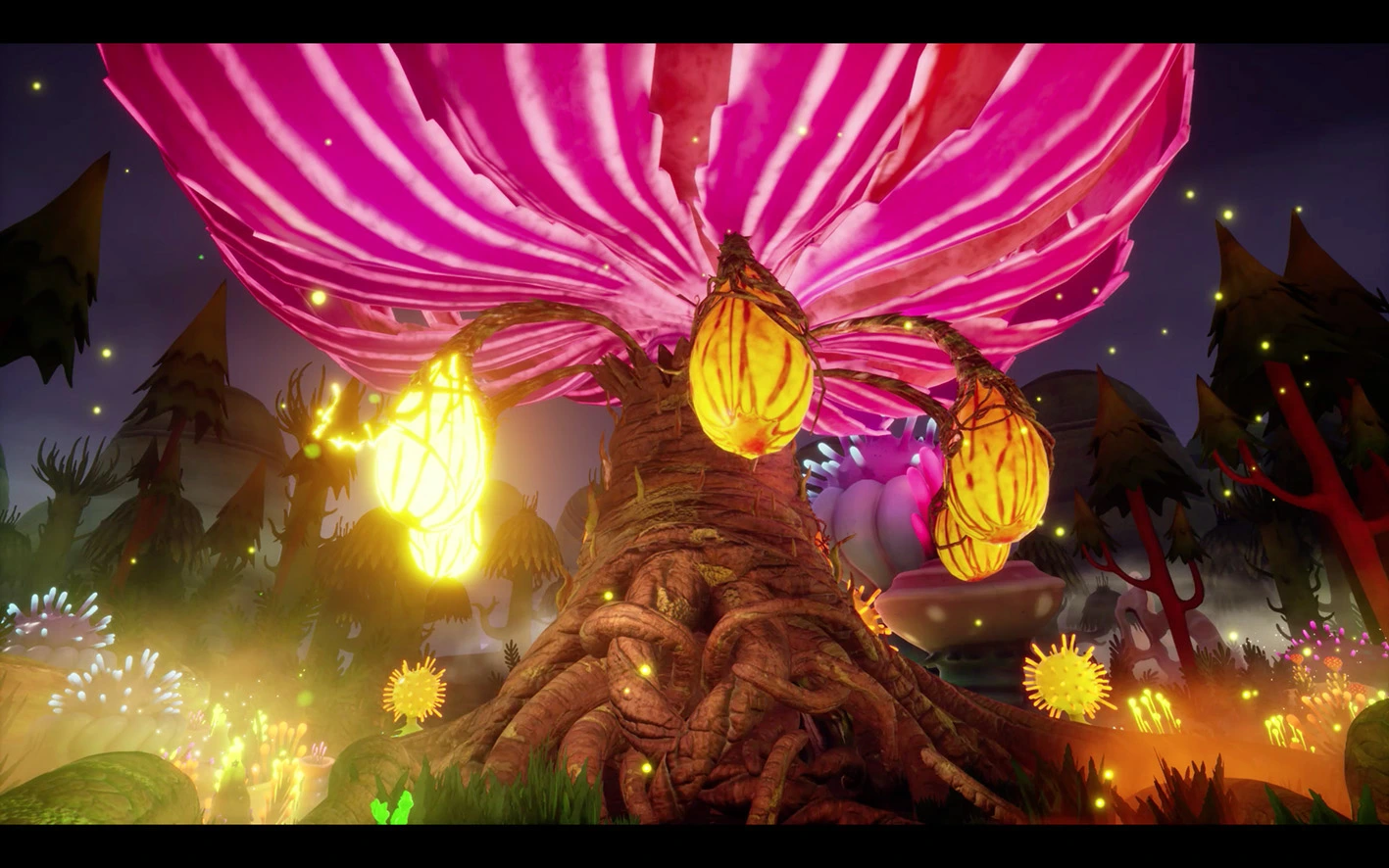
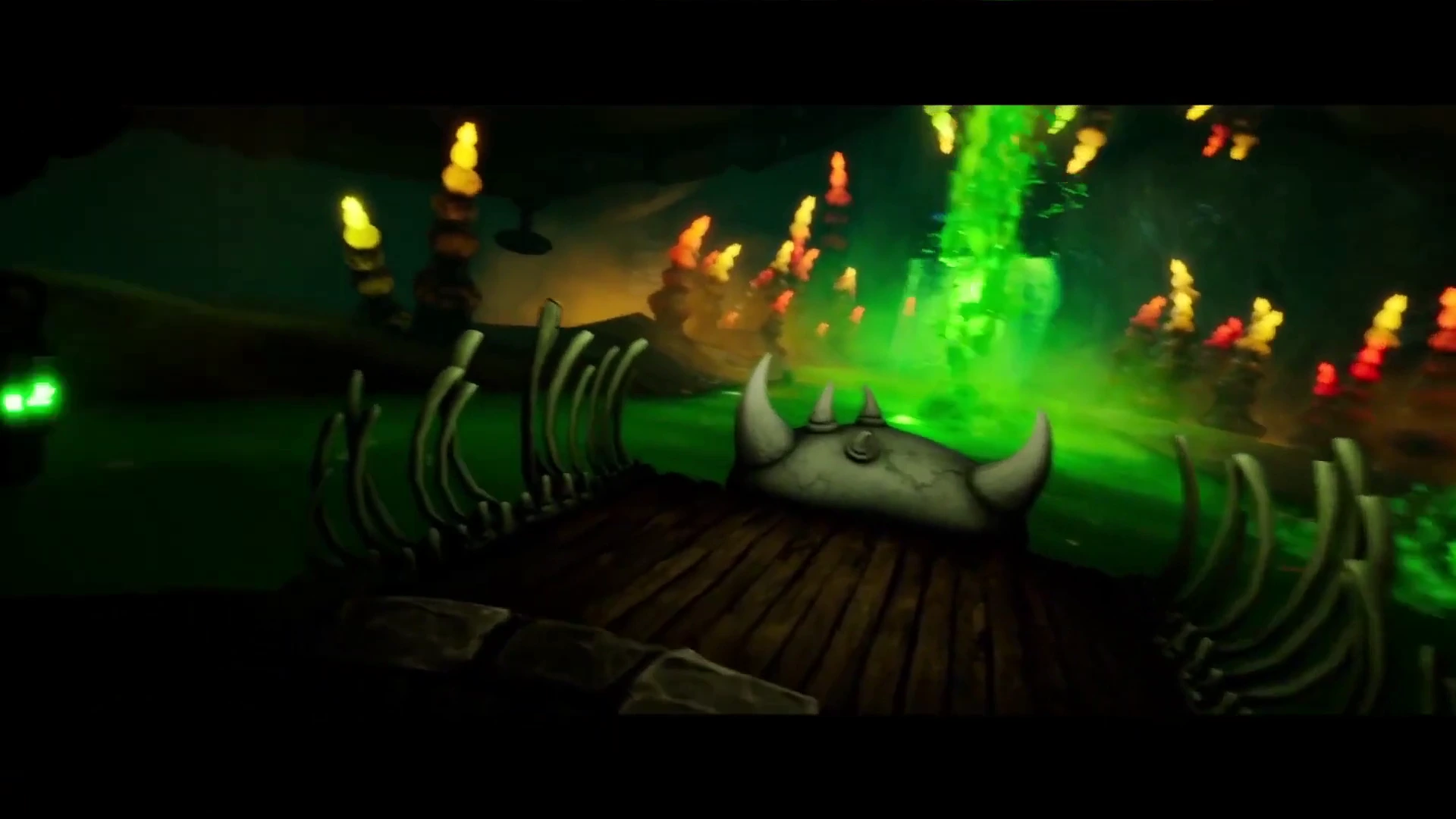
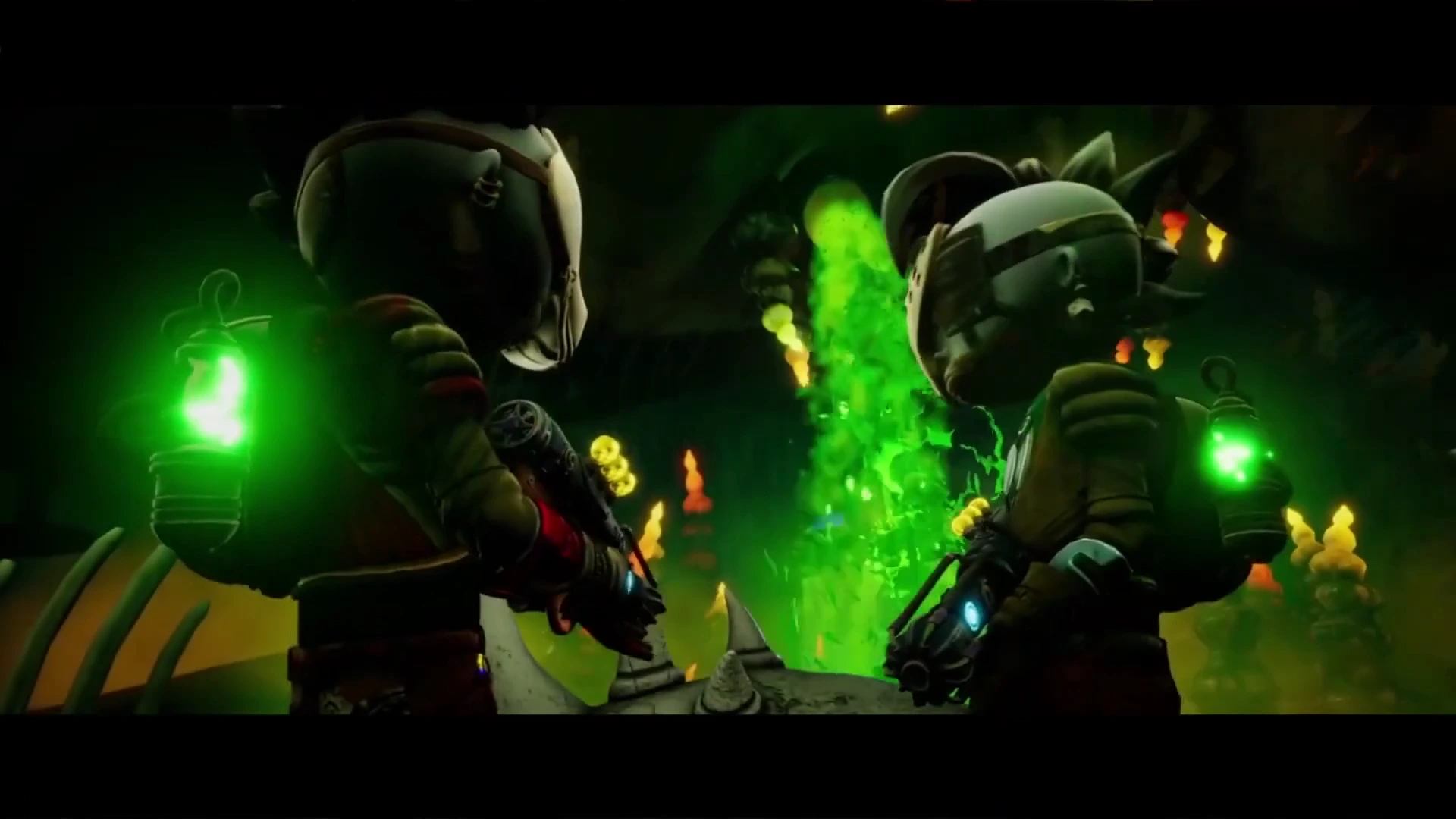
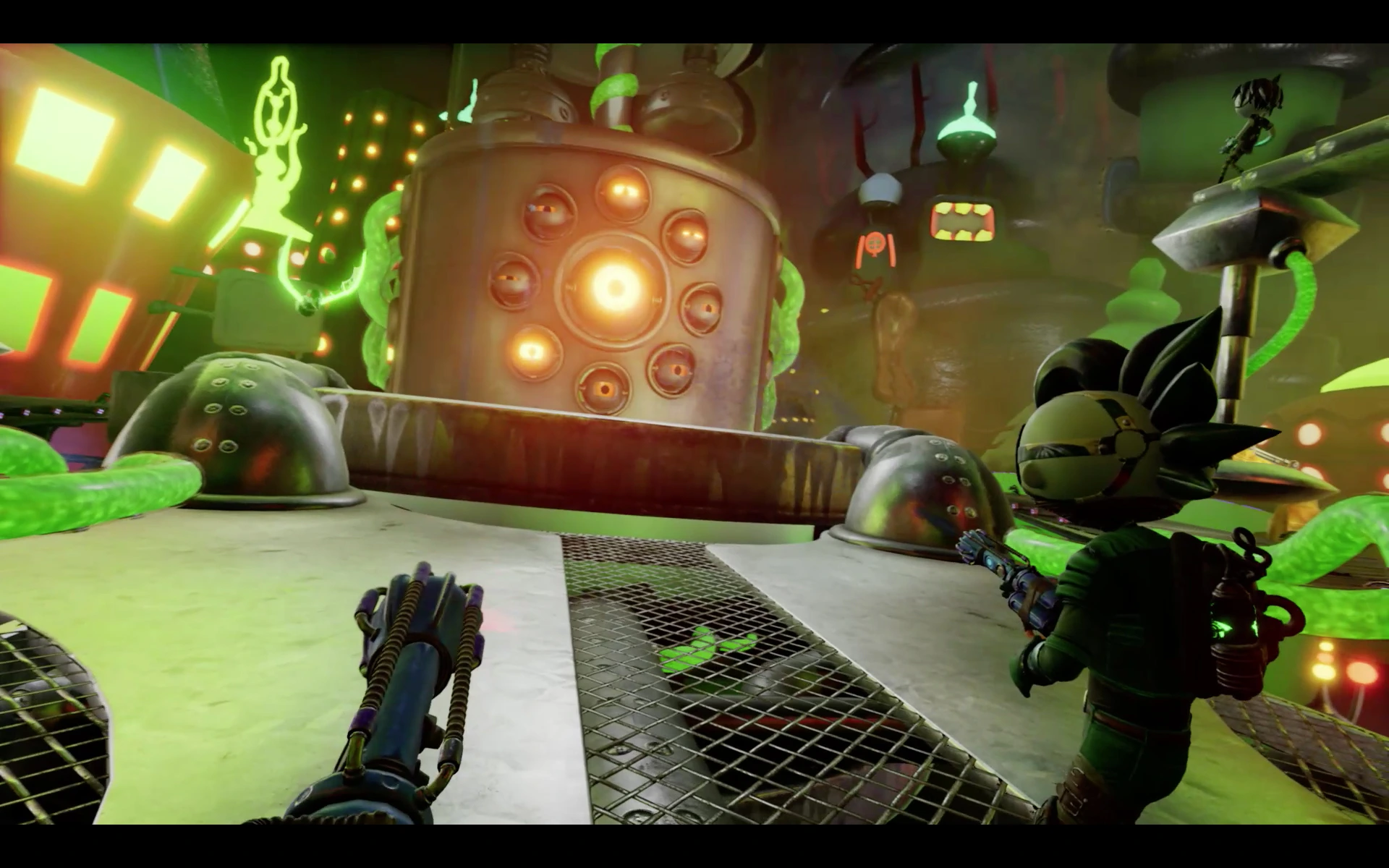
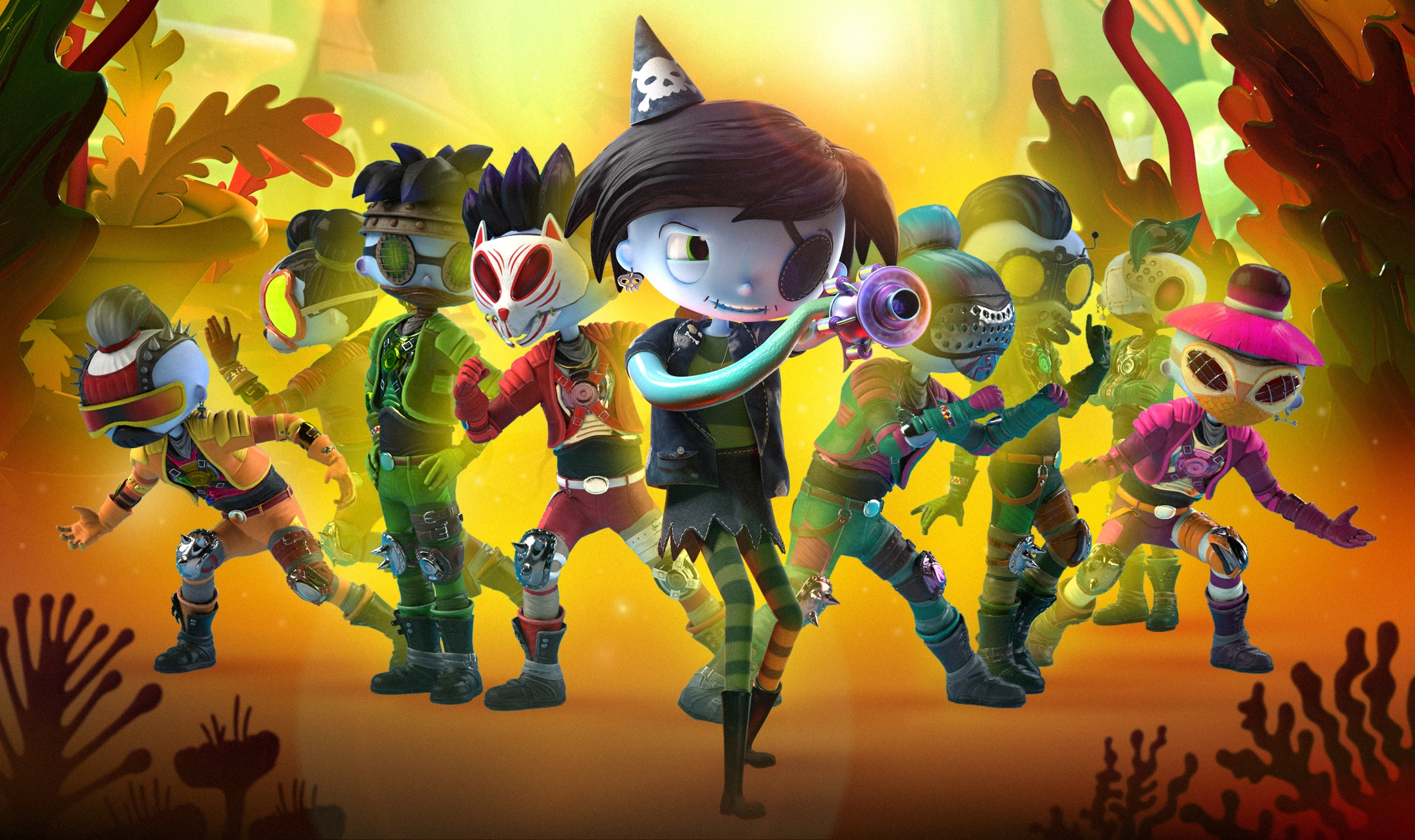
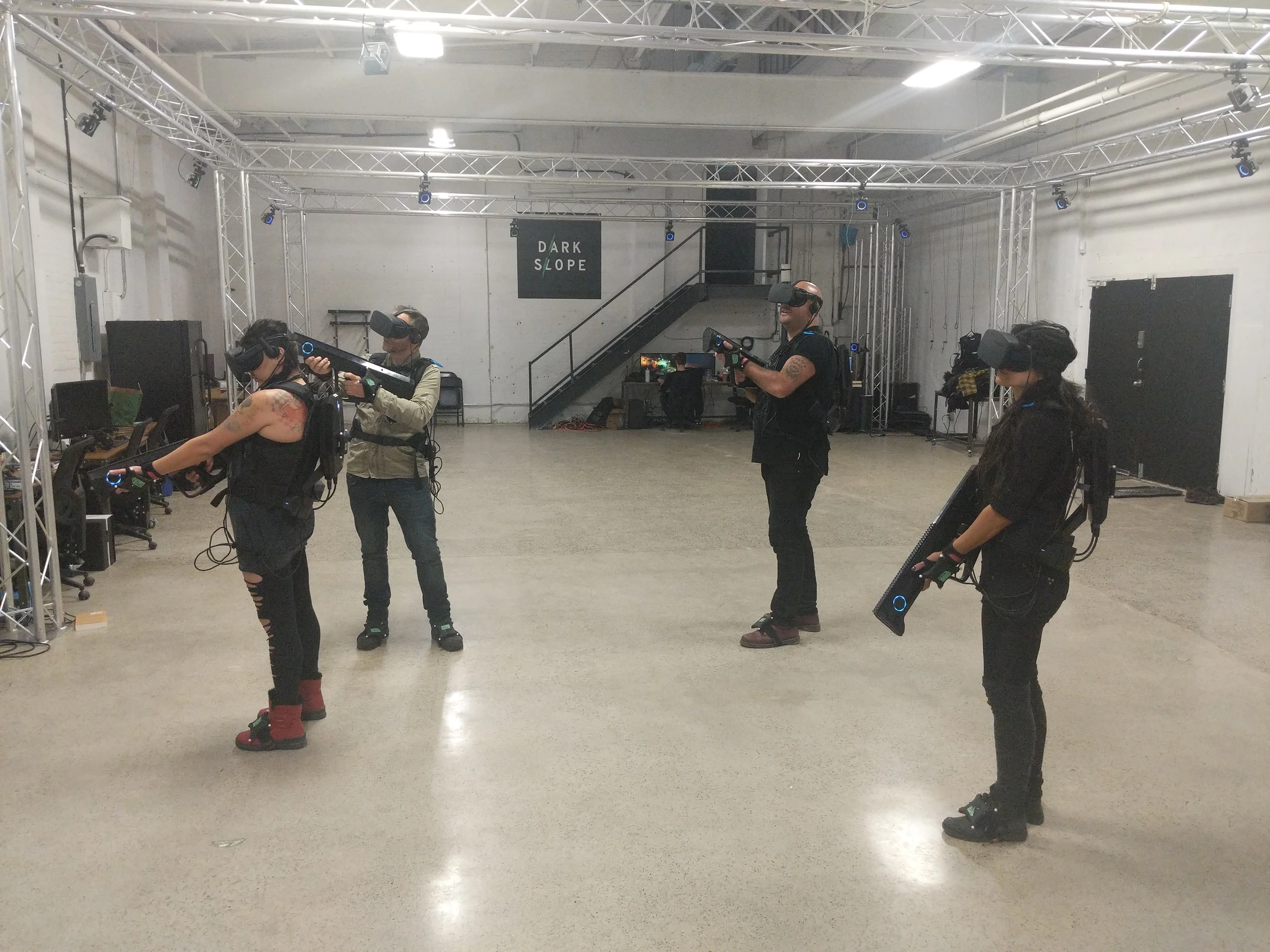
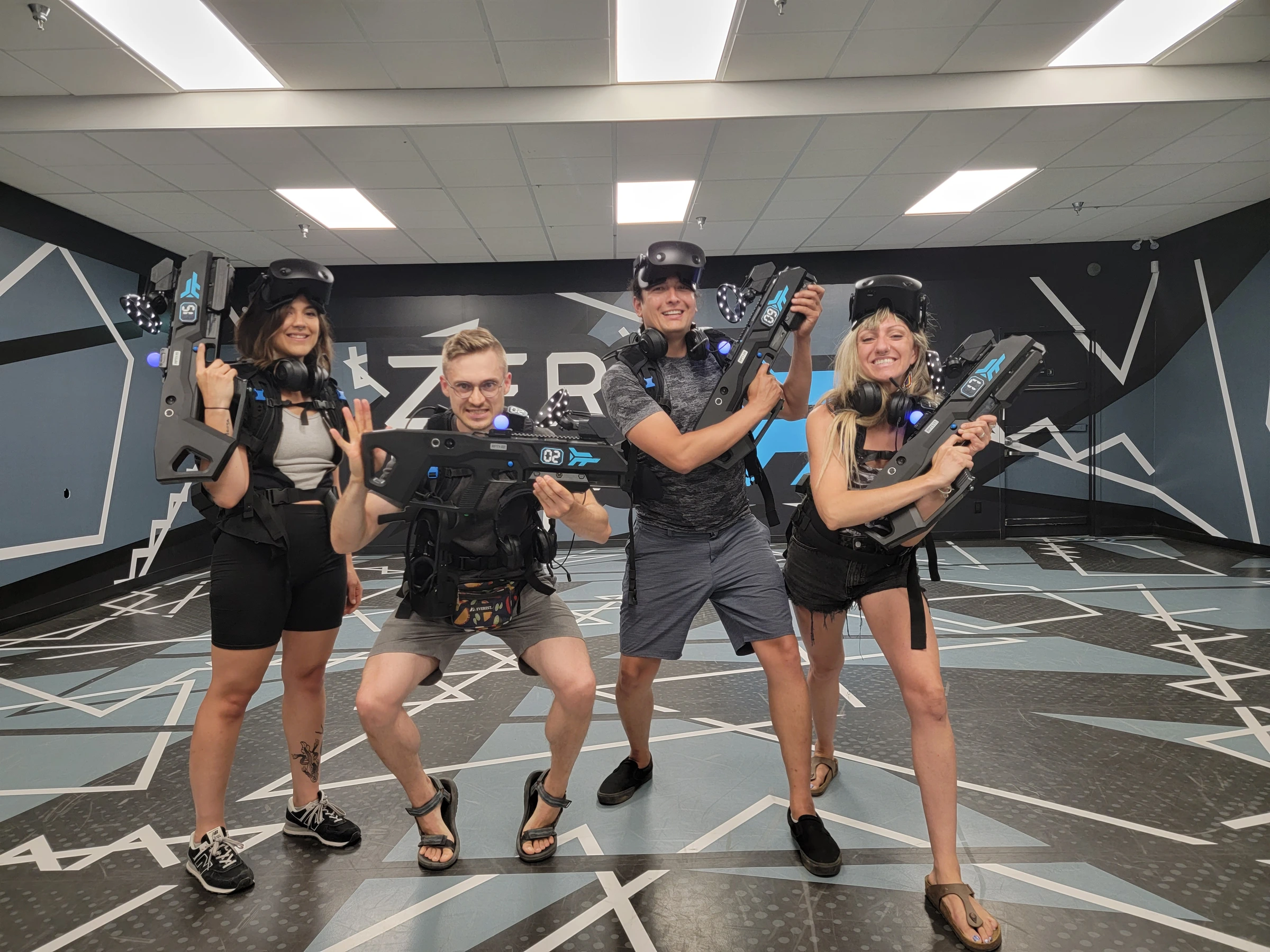
A large-scale free-roam VR experience set in Nathan Jurevicius' Scarygirl universe, where 4-8 players work together to contain infectious goo, fight back corrupted creatures, and stop Dr. Maybee's experiments. Built untethered for location-based entertainment, with full-body avatars tracked across an arena of roughly 60 x 30 feet. Distribution later expanded through Zero Latency, SpringboardVR, Hologate and Vertigo Games.
- First third-party title released for Zero Latency's second-generation platform
- Work contributed to a platform supported by more than $1.5M in seed funding
- Distributed internationally through location-based VR channels including SpringboardVR, Hologate and Vertigo Games
Challenge
Deliver an untethered 4-8 player co-op VR experience in a 60 x 30 ft arena, with full-body avatar embodiment and the multiplayer reliability that location-based entertainment demands. Then port the whole thing to a second platform built on a fundamentally different tracking and runtime architecture.
Solution
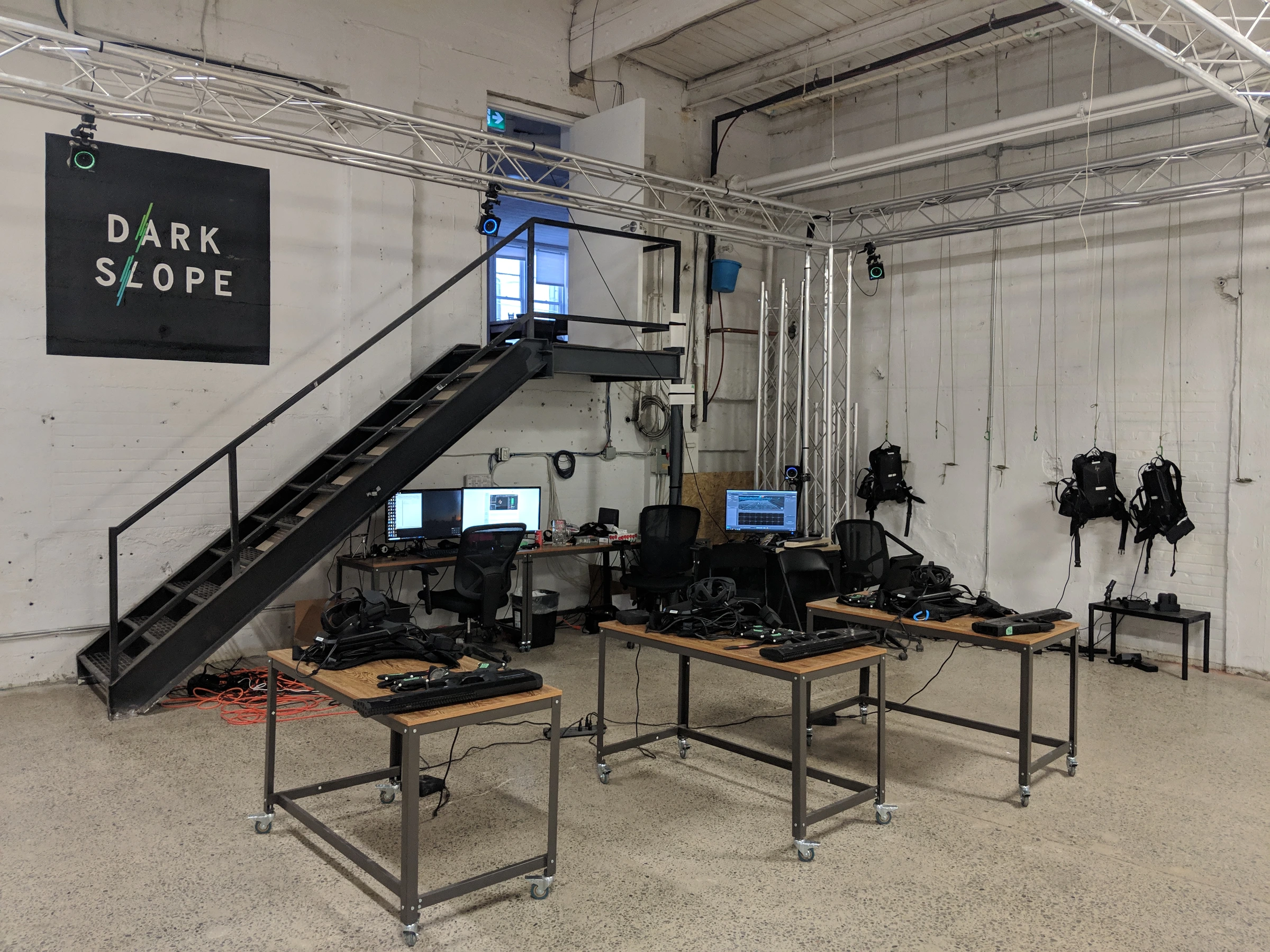
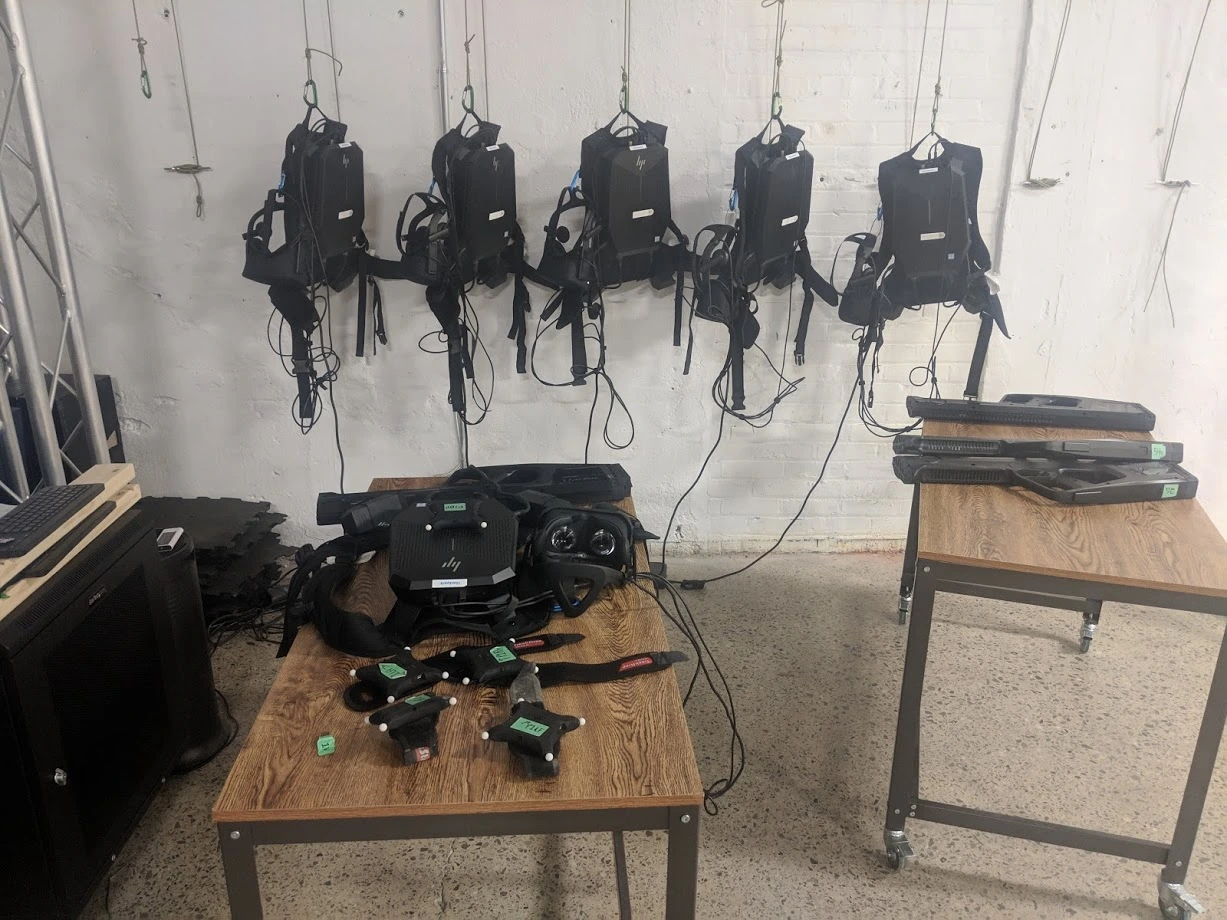
Architected the multiplayer gameplay, player interaction and reusable systems in Unreal Blueprints and C++, including native integrations and custom plugin bridges. Integrated the OptiTrack active-marker system for six-point full-body reconstruction with IK player calibration, haptic vests, tracked peripherals and the Striker VR Arena Infinity force-feedback weapon, all running on Windows backpack PCs. Built operator and dungeon-master tools with live diagnostics for tracking, headset connectivity, marker reconstruction, weapon input, haptics and calibration, and designed level streaming and redirected movement so a continuous 30-40 minute experience fits a fixed physical arena. Later led the port to Zero Latency's second-generation warehouse-scale platform, reworking player control, tracking, input, animation, loading and game management around Windows Mixed Reality inside-out tracking in place of external cameras and markers.
Outcome
Work contributed to a platform supported by more than $1.5M in seed funding. Scarygirl became the first third-party title released for Zero Latency's second-generation platform and was distributed internationally through location-based VR channels, including SpringboardVR's global network, Hologate and Vertigo Games.
Gallery
Supporting video
More
Recognition
Contributions
- Architected multiplayer gameplay, player interaction and reusable systems in Unreal Blueprints and C++, with native integrations and custom plugin bridges
- Integrated OptiTrack active-marker tracking: six-point full-body reconstruction, IK player calibration, haptic vests, tracked peripherals and the Striker VR Arena Infinity force-feedback weapon
- Built operator and dungeon-master tooling with live diagnostics for tracking, headsets, weapon input, haptics and calibration
- Designed level streaming and redirected movement patterns for a continuous 30-40 minute experience in a fixed arena
- Developed build, distribution and operation workflows across multiple Windows backpack PCs
- Led the Zero Latency Gen 2 port: new player control, tracking, input, animation, loading and game-management systems for a different hardware and runtime architecture
- Mentored the programming team and coordinated with 3D artists, animators and the creative director
Collaborators
- Nathan Jurevicius, creator of the Scarygirl universe
- Dark Slope Studios